(A Probelle Professional Beauty Editorial)
For years, the beauty world focused on lengths, shine serums, and “hair type.”
But in 2026, one truth is becoming impossible to ignore:
Healthy hair begins with a healthy scalp microbiome.
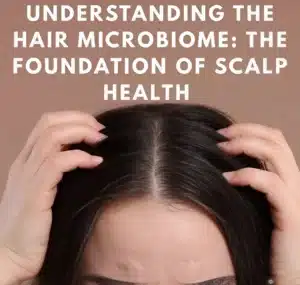
It’s the quiet ecosystem beneath your hair — a community of beneficial bacteria, oils, enzymes, and microorganisms that keep your follicles balanced, calm, and productive.
When this microbiome is disrupted, your hair lets you know: frizz, flakes, breakage, dullness, oil imbalance, sensitivity… the list goes on.
Today, “scalp microbiome hair care” is one of the fastest-growing categories in beauty.
And for good reason: once you understand it, your entire routine transforms.
What Exactly Is the Scalp Microbiome?
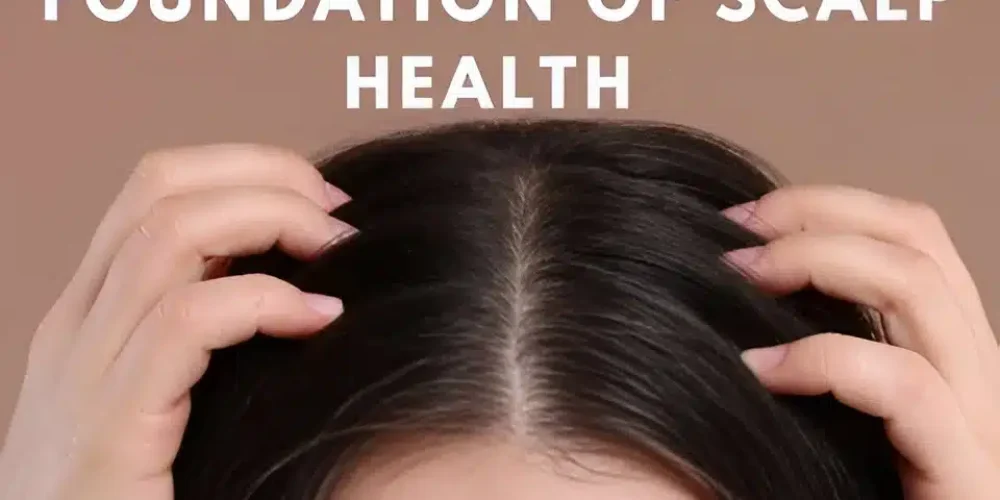
Think of your scalp like facial skin — but thicker, more active, and constantly producing sebum.
Your scalp’s microbiome is made up of:
Good bacteria (your natural first line of defense)
Beneficial yeast
Sebum-regulating enzymes
Micro-organisms that keep pH balanced
A healthy microbiome keeps your scalp:
soothed
hydrated
protected
resistant to irritation
supportive of hair growth
When it’s imbalanced, you’ll see:
itching
flakes
excess oil
dryness
breakage
slow growth
inflammation
The big shift in hair science today?
We’re no longer treating symptoms — we’re treating the scalp environment.
Why Scalp Microbiome Hair Care Is Trending (and Here to Stay)
1. The “Skinification” of Hair Care
Consumers are treating their scalp like their skin: gentle cleansing, barrier repair, balanced pH, and long-term health.
2. Over-washing and harsh surfactants caused long-term damage
For decades, formulas stripped the scalp’s natural flora — leading to chronic dryness and irritation.
3. Color services + heat styling = microbiome disruption
Bleach, flat irons, keratin treatments, and tight hairstyles all compromise the scalp environment.
4. People want solutions, not band-aids
A microbiome-friendly routine restores hair at the root — giving longer-lasting shine, volume, and strength.
Signs Your Scalp Microbiome Is Imbalanced
You may need microbiome-focused care if you experience:
Flaking or recurring dandruff
Sensitivity or discomfort after washing
Dry patches or tightness
Oily roots but dry ends
Slower hair growth
Itchiness without visible irritation
Hair that breaks easily
Limp roots or fast greasing
If you’ve been “treating symptoms” with clarifying shampoos, scrubs, or heavy serums — but nothing works long-term — this is why.

How to Build a Scalp-Microbiome Hair Care Routine
1 — Start With a Microbiome-Friendly Shampoo
Look for keywords like:
prebiotics
postbiotics
pH-balanced
gentle surfactants (cocamidopropyl betaine, sodium cocoyl isethionate)
microbiome safe
Avoid:
strong sulfates
overly-fragranced shampoos
daily aggressive washing
alcohol-heavy sprays that hit the scalp
Probelle Professional Tip:
If you color your hair or use keratin, choose a sulfate-free, low-pH cleanser that preserves both the scalp barrier and your treatment.
2 — Exfoliate the Scalp (The Right Way)
Weekly exfoliation helps:
remove buildup
clear follicles
rebalance the microbiome
promote better oxygen + nutrient flow
Use:
enzyme exfoliants
gentle acid blends (lactic, salicylic)
soft massage tools
Avoid:
harsh scrubs
physical grit that scratches the scalp
3 — Strengthen the Scalp Barrier
Just like skin, your scalp needs barrier support.
Ingredients to look for:
ceramides
niacinamide
panthenol (B5)
aloe vera
oat extract
prebiotic ferment complexes
A healthy barrier = balanced microbiome = stronger hair.
4 — Add a Microbiome-Safe Serum
This step is exploding in popularity in 2025.
Benefits include:
improved scalp hydration
reduced inflammation
better oil balance
smoother hair growth cycles
less breakage
Apply 2–3× per week on clean scalp.
5 — Balance Your Wash Frequency
Surprising but true:
Over-washing is the #1 cause of microbiome disruption.
Guide:
Oily scalps → Wash every 2 days
Normal scalps → 2–3× per week
Dry/sensitive scalps → 1–2× per week
6 — Pair With the Right Hair-Length Routine
A healthy scalp is step one.
Shiny, resilient lengths require:
hydrating masks
bond builders
heat protection
light oils (never at the scalp)
How Hair Botox, Keratin & Bond Builders Fit Into Scalp Microbiome Care
When you are trying to heal your scalp microbiome, the salon treatments you choose matter. Harsh chemicals can instantly strip the scalp’s protective barrier, while the right treatments can actively support it.
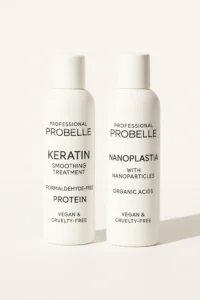
Brazilian Protein (Formaldehyde-Free Smoothing)
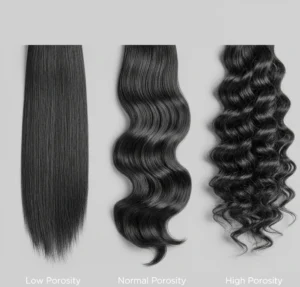
✔ Smooths + seals the cuticle: Ideal for unruly frizz, resistant textures, and high porosity.
✔ The Microbiome-Safe Advantage: Traditional keratin treatments often rely on harsh chemicals that severely disrupt the scalp’s delicate pH and cause flaking. By switching to a 100% formaldehyde-free acidic organic blend—like our Super Strength Keratin or Super Blond Keratin—you achieve a long-lasting, mirror-smooth finish without chemically burning or irritating the scalp barrier.
(Salon Professionals: Always prep the scalp with our Anti-Residue Purifying Shampoo to ensure a clean, balanced canvas before application!)
Hair Botox / BTX (Repair, Volume Control & Anti-Frizz)
✔ Deep-conditioning filler: Plumps the hair fiber while soothing scalp dryness and repairing dull, brittle lengths.
✔ Lightweight & Restorative: Heavy, cheap creams can clog hair follicles and trap bad bacteria on the scalp. Probelle’s BTX line (including BTX Azure for blondes) utilizes ultra-low molecular weight technology. It penetrates the cortex deeply for exact thermal realignment without leaving a heavy, microbiome-disrupting residue at the root.
Bond Builders (SOS Repair)
✔ Essential for bleached, fragile, high-porosity hair.
✔ Synergistic Healing: While bond builders focus on repairing the internal strength of the hair shaft rather than the microbiome directly, they work beautifully together. A healthy scalp ensures the new hair growing in is strong, while bond builders rescue the existing damaged lengths.
The Scalp-Microbiome Hair Care Routine ( Probelle Professional Edition)
Daily
Gentle massage for circulation
Avoid tight hairstyles
Use heat protection on lengths
Wash Day
Microbiome-friendly shampoo
Lightweight scalp exfoliation (1× weekly)
Hydrating/protein-balanced mask on lengths
Leave-in + oil mid-shaft to ends
Weekly
Enzyme exfoliant
Scalp-hydrating tonic
Monthly
Bond-building treatment or BTX (depending on your hair goals)
Top Questions About Scalp Microbiome Hair Care (FAQ)
Q: Can the scalp microbiome affect hair growth?
Absolutely. An inflamed or imbalanced scalp disrupts follicles — slowing or weakening growth.
Q: Does dandruff mean my microbiome is unhealthy?
Often yes — dandruff is linked to an overgrowth of Malassezia yeast, a microbiome imbalance.
Q: Can keratin treatments disrupt the microbiome?
Not directly, but sensitive scalps may react to heat or formulas. Pre- and post-care is essential.
Q: Do oils help the microbiome?
Light, non-comedogenic oils can help — but avoid coating the scalp with heavy butters.
Final Thoughts: The Future of Hair Care Starts at the Root
The most luxurious hair doesn’t come from styling products — it starts with a balanced scalp ecosystem.
If you invest in scalp microbiome hair care, you’ll see:
✨ healthier growth
✨ softer, shinier lengths
✨ fewer flakes
✨ improved comfort
✨ better long-term hair resilience
When the scalp thrives, the hair follows.
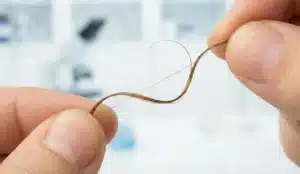
A healthy scalp produces strong hair, but is your hair fiber balanced? Take our 3-Second Hair Elasticity Test to see if your lengths need Protein or Moisture.